


For generations, leaving wealth behind was considered the ultimate legacy. Today, longer life expectancy is reshaping that definition. As Malaysians live longer, retirement is no longer simply about accumulating enough wealth. It's about maintaining the freedom to make our own choices, support our own needs, and live with dignity throughout our later years. Yet longer lives come with a new challenge. Without adequate preparation, many of us may spend significant years relying on financial support, caregiving, or assistance from others.
The Manulife Asia Care Survey 2026 reveals that retirement is evolving beyond a financial milestone. It is becoming a lifelong journey that requires balancing financial security, physical wellbeing, and long-term preparedness.
Download the pocket compunding table here
Download the E-Flyer: Dollar-cost averaging here
Download Manulife ACS 2026 infographics here and explore the insights at your own pace


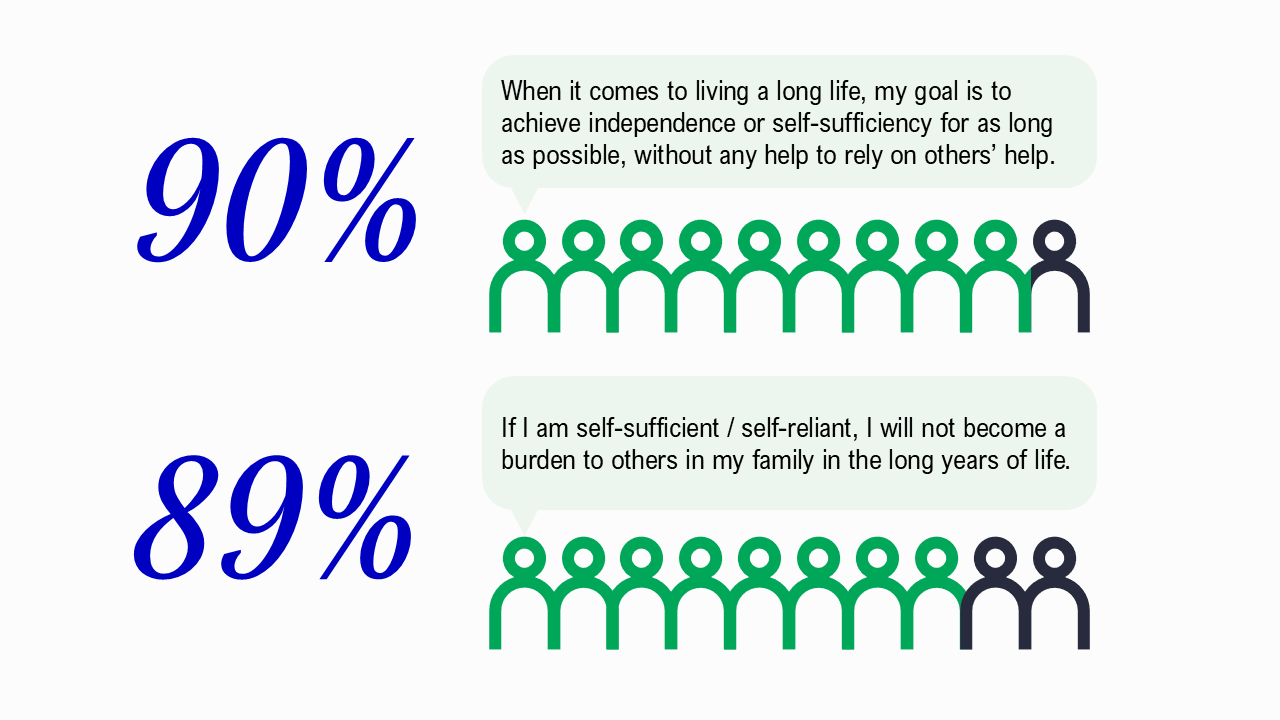
Longer life expectancy is one of the greatest achievements of modern society, but it also brings a new reality. Malaysians could spend an estimated 17 to 20 years in a financially or physically dependent state, increasing the importance of planning beyond retirement itself.
This helps explain why 9 in 10 Malaysians say maintaining independence is one of their most important goals in later life, rising to 92% among those aged 60 and above.
The message is clear: retirement today is about more than stopping work. It is about preserving the ability to live on our own terms for as long as possible.
As longevity increases, independence is becoming the new measure of retirement success.
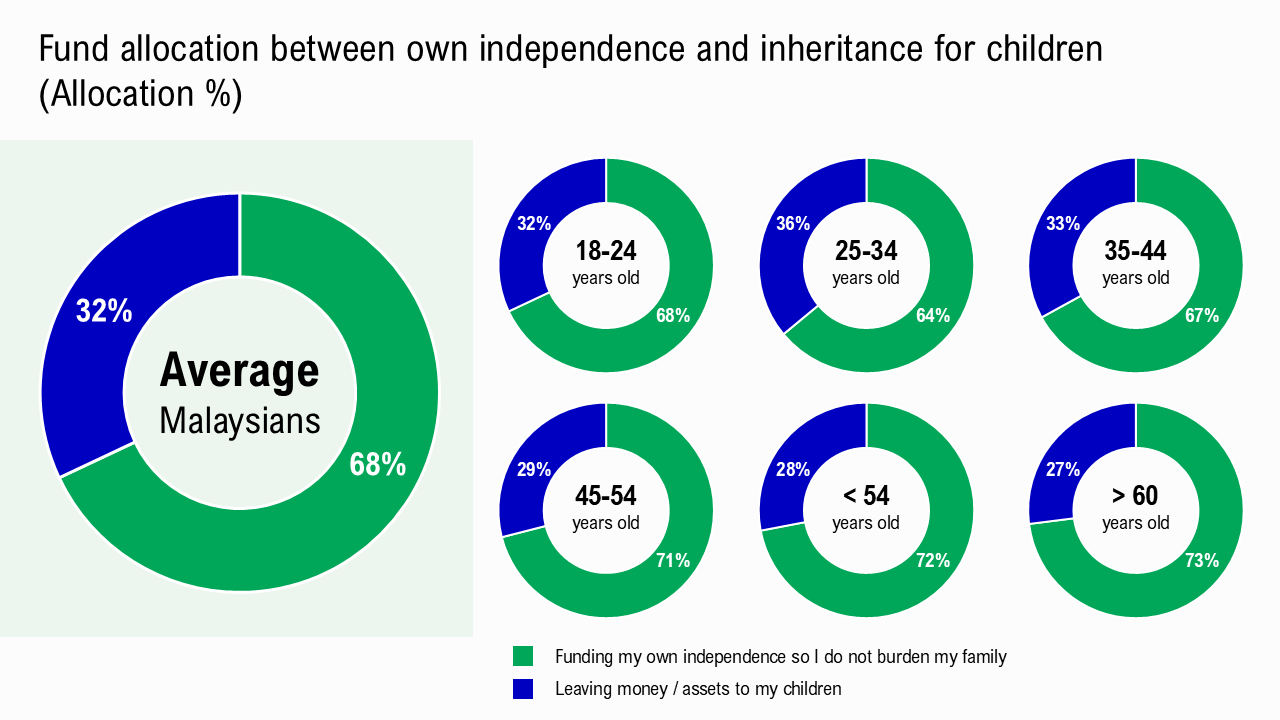
As family structures evolve and life expectancy rises, more Malaysians are recognising that retirement security will depend increasingly on their own preparations.
The survey found that 68% of financial assets are now allocated towards supporting personal independence, signalling a shift away from traditional expectations of relying on family support in later life.
However, intentions have not yet translated into action.
Only 42% plan to increase investments that generate income, while just 33% intend to diversify across asset classes to strengthen long-term resilience.
The aspiration to remain independent is growing rapidly. The challenge is building the financial foundations needed to sustain that independence for decades.
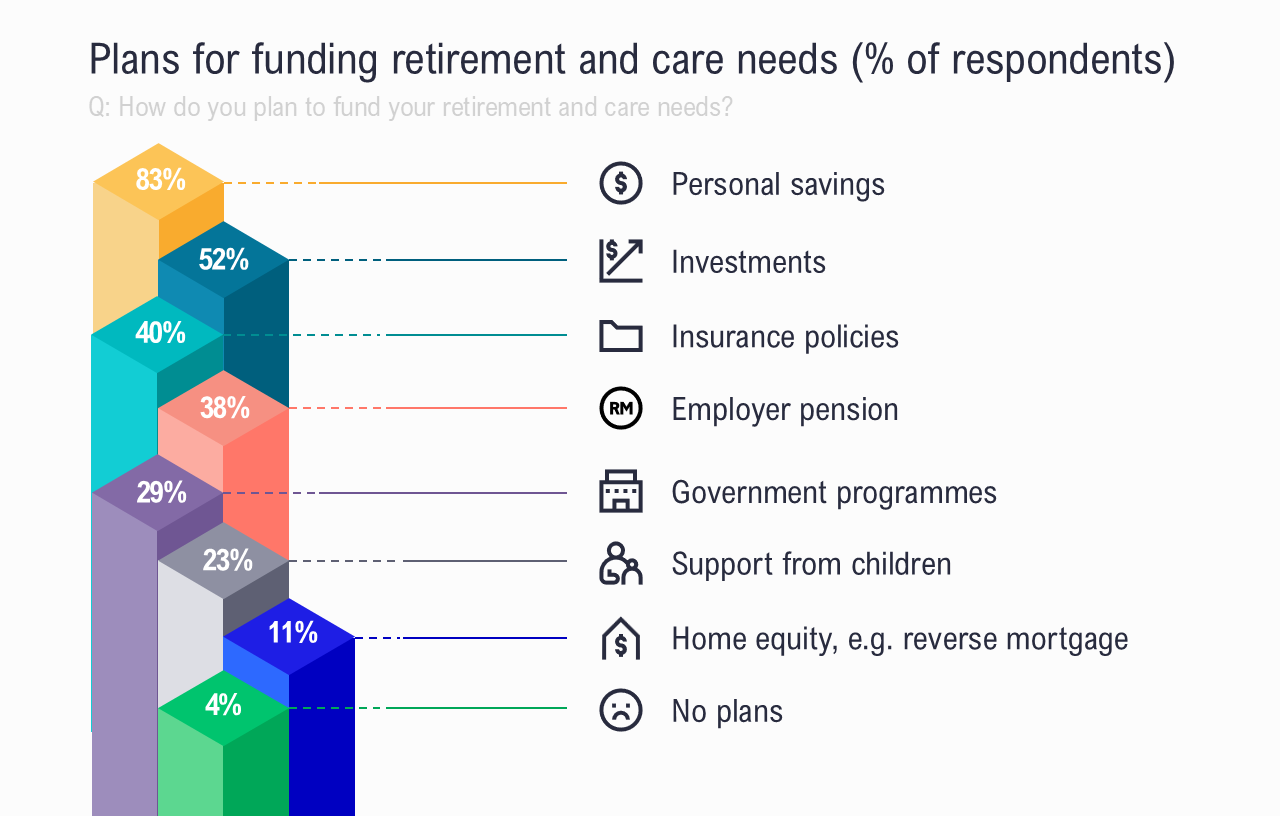
Malaysians are beginning to rethink where retirement income will come from.
Today, 83% expect personal savings to fund their retirement, while 52% plan to rely on investments and 40% on insurance solutions. At the same time, 23% still anticipate financial support from their children, and 4% have yet to make any retirement funding plans at all.
While awareness of retirement needs is high, many preparations remain centred on wealth accumulation rather than income generation.
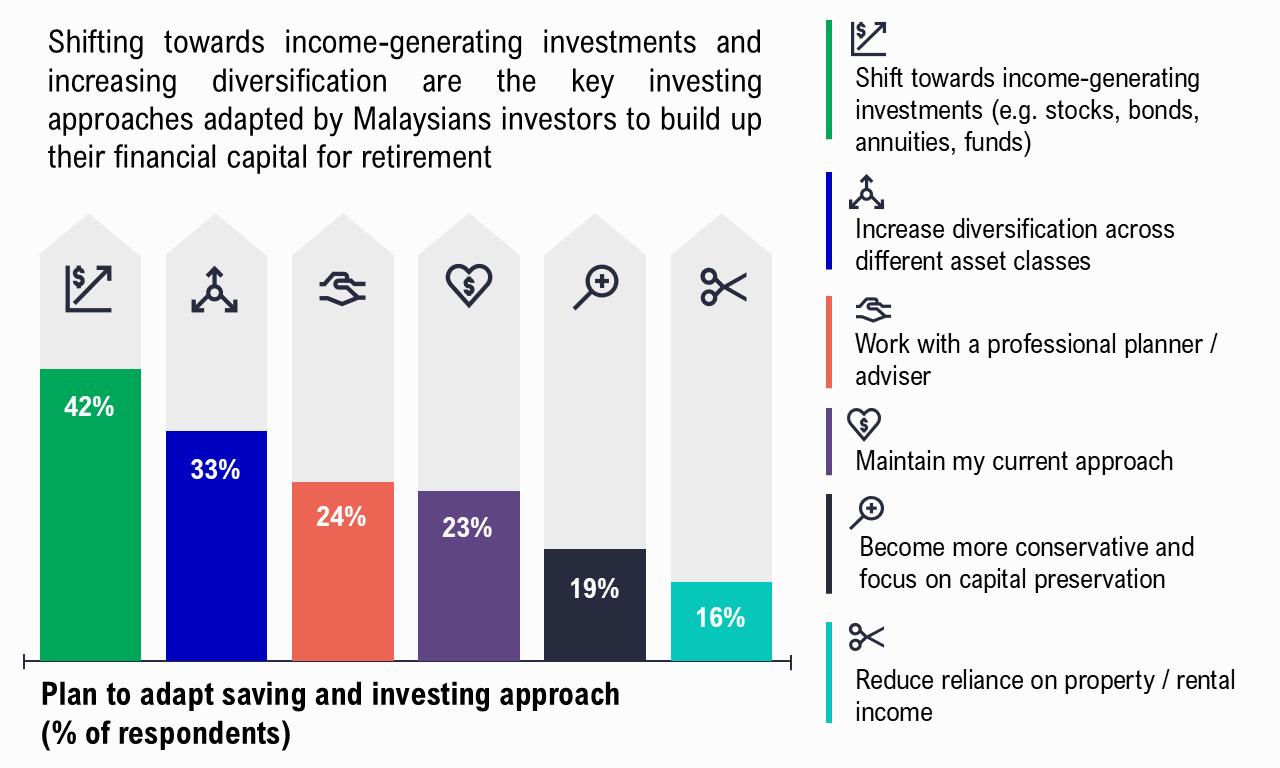
Among those who have started saving and investing in stocks, bond, insurance, etc. to ensure their financial well-being, Malaysians are taking the steps needed to build lasting financial resilience. However, only 42% plan to allocate more
of their assets towards income-generating investments, while just 33% intend to diversify across different
asset classes to strengthen their long-term financial security and retirement readiness.
This shift is increasingly driven by the need for steady and sustainable income to support living expenses
throughout a potentially longer retirement.
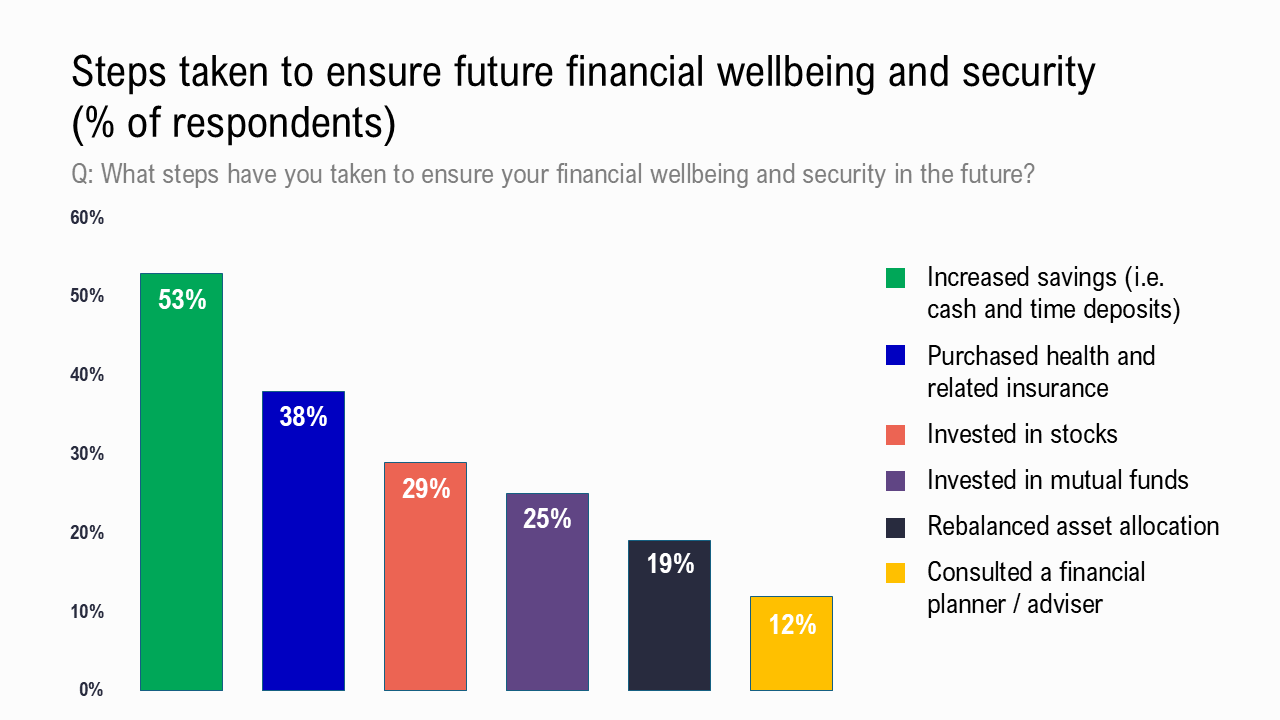
Despite the growing need for preparations, many Malaysians have yet to take meaningful action.
Only 12% actively engage a professional financial adviser, suggesting that many Malaysians may lack a structured strategy for converting accumulated wealth into sustainable retirement income.
The retirement conversation needs to shift from "How much do I need to save?" to "How will I create income that lasts?"
As a result, retirement planning often remains passive rather than intentional, with financial decisions not actively managed to support long-term income and evolving retirement needs.
Many Malaysians understand the importance of retirement planning, yet significant obstacles continue to stand in the way.
On average, 41% of monthly income is directed towards supporting family members and dependants, limiting the resources available for retirement planning and wealth accumulation. This financial balancing act helps explain why many retirement plans remain delayed or underdeveloped.
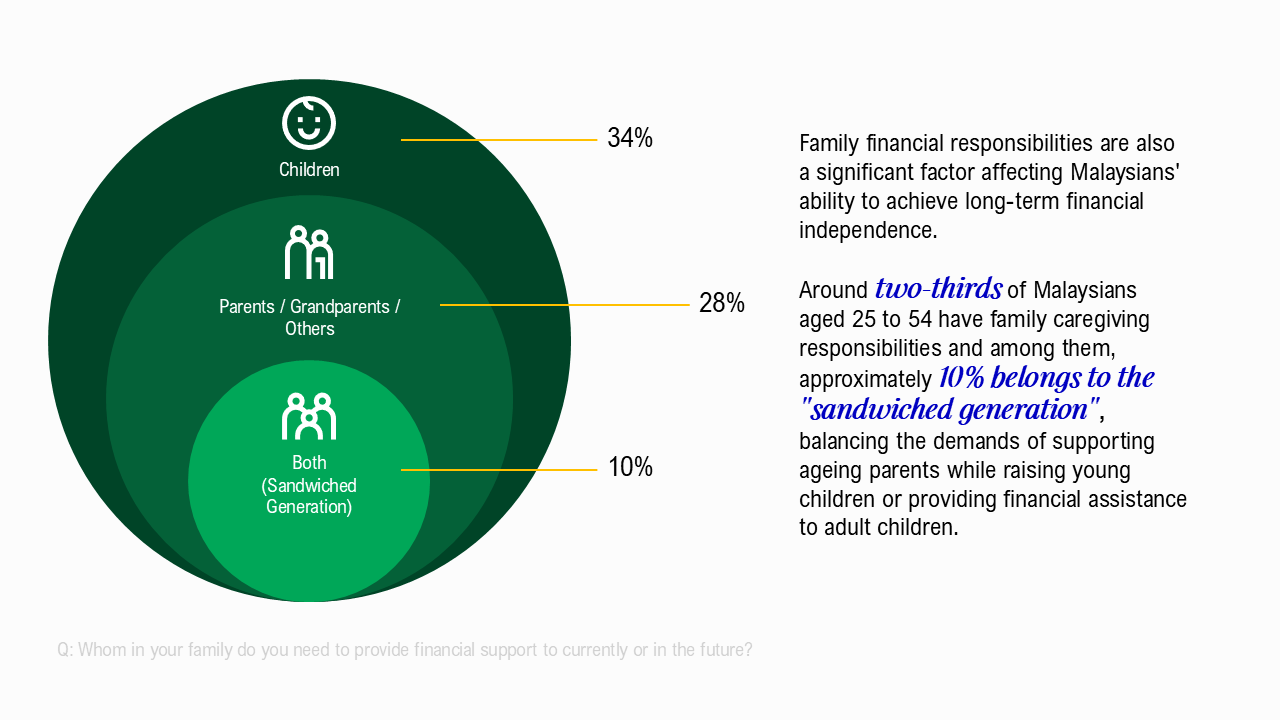


Rather than relying solely on accumulated savings, 68% expect to continue working beyond traditional retirement age, while 1 in 5 would prefer to work full-time after age 65.
These findings suggest that retirement is increasingly viewed as an extension of working life rather than a fully funded phase of financial independence.
Few are taking steps to structure their wealth in a way that can generate sustainable income throughout retirement.
The gap is no longer one of awareness. It is a gap between knowing what needs to be done and having a clear strategy to do it.


Longer lives require a different retirement playbook. The findings suggest that retirement readiness is built on three interconnected foundations:
Retirement is not defined by how much wealth we accumulate. It is defined by how well that wealth can support the life we want to live.
Financial independence is the freedom to make our own choices, maintain our dignity, and avoid becoming a burden on those we love. Achieving that freedom requires more than savings alone. It requires a plan to make our money work for us throughout retirement.
Retirement income concerns are common, though not always openly discussed. This short‑form video series reflects everyday perspectives on cost‑of‑living pressures, savings behaviour, and long‑term preparedness. Follow the series, challenge your assumptions, and see how financially ready you really are.
Content reflects personal views and experiences and is for general informational purposes only.

Remarks:
About Asia Care Survey 2026
The Asia Care Survey 2026 was conducted across February and March 2026 and captured insights from over 9,000 individuals aged 18 or above (including 60+) across nine Asian markets: Mainland China, Hong Kong, Taiwan region, Japan, Singapore, Vietnam, Indonesia, Philippines, and Malaysia. For the Asia-specific data version, please visit https://www.manulife.com/ca/en/about-us/news/asia-care-survey-2026
Disclaimer: The findings and information presented are based on the Manulife Asia Care Survey 2026 and are intended for general informational purposes only. The survey results reflect the views and responses of survey participants at the time of the survey and may not be representative of the broader population. Nothing on this page constitutes insurance, financial, investment, legal, medical or other professional advice. Individuals should seek appropriate professional advice based on their specific circumstances

©1999 - 2026 Manulife Investment Management (M) Berhad (Registration No. 200801033087 (834424-U))





